All novelists have strengths and weaknesses. Some are experts at bringing characters to life and giving us unforgettable people that stay with us like old friends; or enemies. Others specialize in plot and storytelling, weaving tales of mystery and wonder that keep the reader enthralled chapter after chapter. There are even a few whose greatest strength is style, enchanting us with their voice and their turn-of-phrase, though most of these, I fear, come from an earlier era.
A final area is description, whether that be of the characters, the immediate surroundings, or the larger setting in which the story takes place. John Grisham is renowned for his description of small southern towns, their courthouses, and the people who populate these municipalities, and it’s hard to resist being pulled into these stories once he’s supplied such a feast for the senses. But this is an area that is, frankly, ripe for abuse. All too many authors will spend pages and pages on description that has little to do with developing the characters and even less with the story. Descriptions need to pull us in, but they also need to establish the mood, preparing us to better understand the people and plot through interactions with their environment.
So, what are my strengths as a writer, and my corresponding weaknesses? I belong to the plot-driven guild, the diehard storytellers who want to pull you along with twists and surprises, hopefully ending up with a solid gut punch of a climax. Also, over the course of eleven books (more that have never been published), I believe I’ve developed a comfortable writing style that carries the story and entices the reader to move on to the next chapter and the next. By contrast, one of the areas that I need to work harder on is characters. As with many plot-driven authors, I too often just stick characters out there to carry the storylines, puppets on the end of my literary strings dancing to my jerks and twirls. Knowing this, I have come to spend time focusing on my secondary and even minor characters (my main characters tend to take care of themselves) to make them real and even establish some link with my readers. It doesn’t come naturally, but it is very satisfying when you produce a character that gets a smile and a comment from readers.
But what of setting? This is an area I sometimes struggle with, and important questions are: how much is enough and how much is too much, and do you need to physically visit the location where your story takes place? Obviously, experiencing the sights, sounds, and smells of a location can help you make it real for characters and readers, but this really isn’t practical from the perspective of time and expense. I made a point of driving through rural West Virginia in preparation for The Conductor, and we visited the eastern Virginia shore as part of the Black Jack project. Both were worthwhile if only in increasing my confidence in the narrative, but there were relatively few details that ended up in the final work.
The newest trilogy we’re working on takes place in part on the northern coast of Scotland, a remote and relatively lightly populated area that would take a good deal of time and money to visit. Is it worth it? Well, on the one hand, the huge growth of the internet offers many visual tours and some first-hand accounts that simply weren’t available for my earlier works, and the deeper you dig, the more flavor you uncover. Moreover, we visited the northern coast of Ireland back in 2023, and that is a nearly identical clime looking out on the same stretch of sea.
So, save the money and find the right cyber-sites to supply the necessary details? Short answer is: yes. But at the same time, these two-dimensional experiences don’t give you a feel for the people and the culture, and there is a very real danger that I’m just going to dress Americans in kilts and give them a Scottish brogue. That’s a disservice to the reader and the people of the region. So, one of the things I’m trying now is to contact some people and organizations found in northern Scotland and try to engage them in some dialogue, get the answers to some simple questions and hopefully avoid any egregious mistakes.
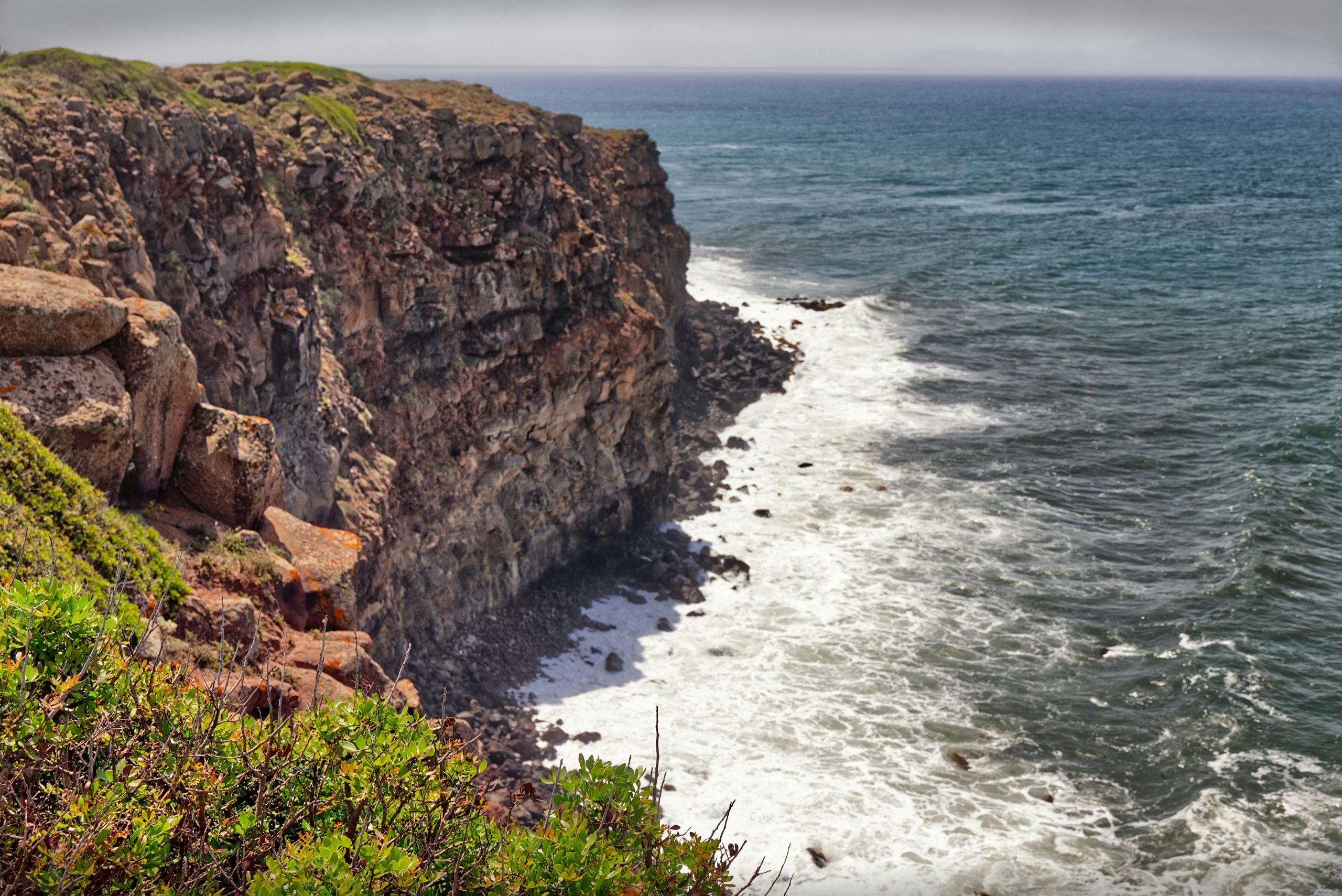
Better, certainly, and another valuable source of details and idiosyncrasies that can help to make the story real. But when I stood on the Irish coast and looked out over the blustering sea with the wind blowing half a gale and waves smashing against the rocks, I got a feel for the land and the setting that no video was going to capture. I just need to move that experience a few hundred miles north and east to reach the location of my next novels.
Leave a Reply